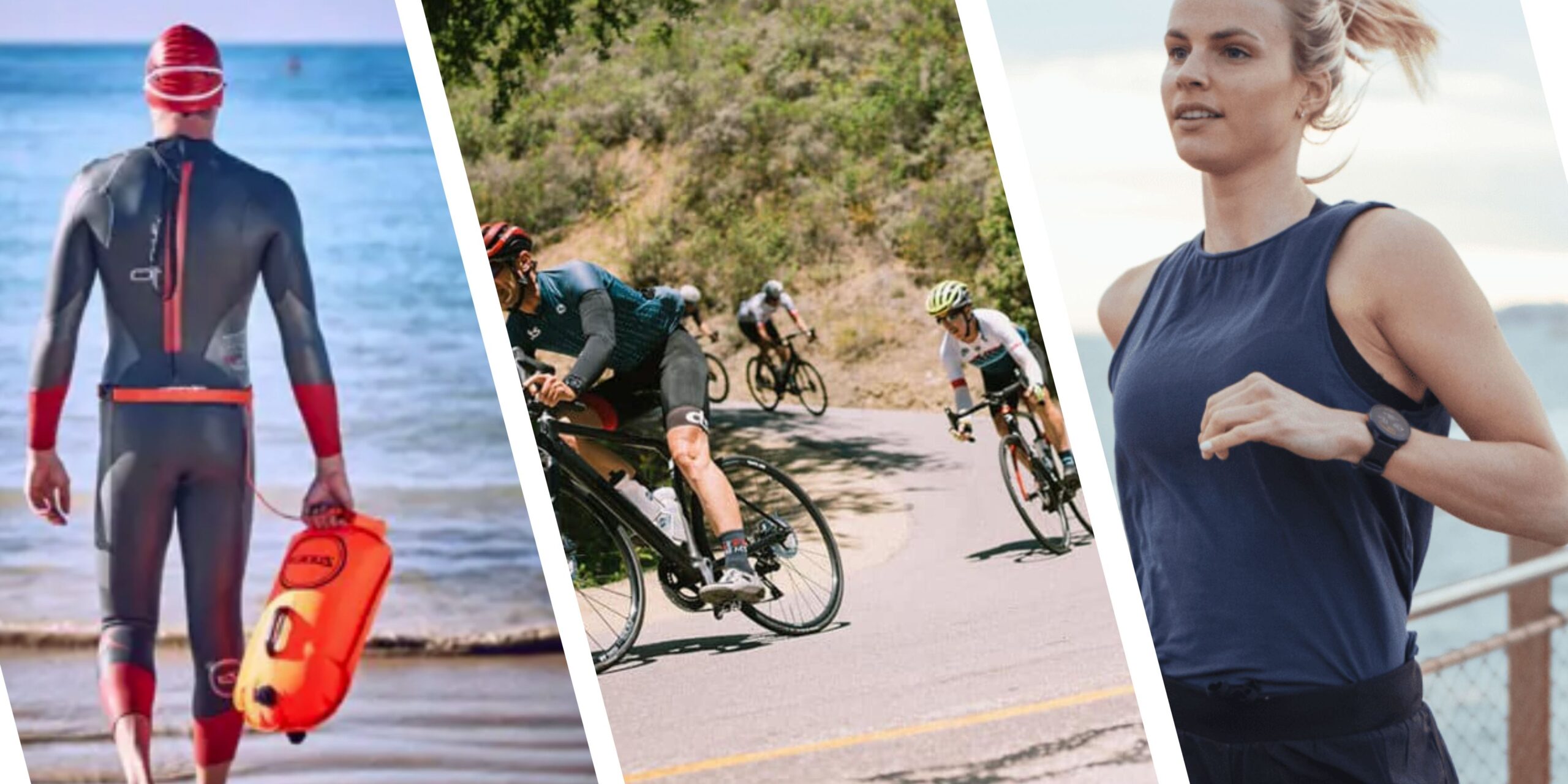
As triathletes, we pride ourselves on pushing boundaries, building fitness and chasing personal goals. But no matter whether you’re new to the sport or a seasoned age-grouper, training safely should always come first. Across swim, bike and run, one principle consistently stands out: training with others is the safest way to train. Being part of a triathlon club or coaching group not only improves performance and motivation, it also adds an important layer of safety. If you’re currently training solo, now is a great time to explore the Club Finder or Coach Finder through AusTriathlon and connect with like-minded athletes near you.
Below are some practical safety tips to help you stay smart and supported across all three disciplines, above all please keep in mind your ability and your limits.
Swim: Safety First in the Water
Open water swimming is one of the most rewarding parts of triathlon, but it also requires the greatest awareness.
- Never swim alone in open water. Always go with a buddy who swims alongside you, or at minimum have someone actively sighting you from the shore.
- Choose patrolled areas and take time to assess conditions, including currents, swell, tides and weather. Adhere to any signage that might be in the area talking to the conditions
- If you’re building distance, swim parallel to the shoreline just behind the wave break rather than heading straight out to sea.
- Use an open water swim buoy (or sea swimming float). These improve visibility, provide flotation if needed, and can even carry nutrition or valuables.
- Be cautious in rivers and inland waterways. Murky water, submerged objects, currents and wildlife all present unique challenges, know the environment before you enter.
- Hydrate regularly. Even though you’re surrounded by water, dehydration can creep up quickly. Plan hydration before and after your swim and keep it accessible.
Training with a group or squad adds another layer of reassurance, experienced swimmers can help read conditions and make safer decisions together.
Bike: Be Seen, Be Heard, Be Prepared
Cycling often presents the greatest external risks, particularly when riding on open roads.
- Ride with a friend or group, especially if you’re still building confidence around traffic, changing a flat tyre or dealing with mechanical issues.
- Conduct a bike check before you ride, to ensure it is safe to ride. Regular maintenance is key here as well as a correct bike fit.
- Enable Live Tracking on your watch or bike computer and share your ride with a trusted contact. Always tell someone where you’re going and when you expect to return.
- Wear a properly fitted helmet and ensure its securely fastened. Be mindful of weather conditions, avoid closed or aero helmets in hot conditions, as they can trap heat.
- Avoid headphones. Even models that claim ambient awareness can dull your ability to hear traffic, other riders or hazards.
- Wear bright coloured or reflective clothing. Being easily visible to passing traffic is crucial, ensure you have an operational front and rear light (even during the day) to help with this as well
- Plan your fuelling and hydration. Carry enough fluids and nutrition for the duration and conditions of your ride and know where refuel points (like petrol stations) are if needed.
- Choose routes with safe shoulders, bike paths or quieter roads where possible, especially for longer sessions.
Group rides through clubs or coached sessions are not only safer, they’re also a great way to learn road skills and build confidence.
Run: Simple Planning Goes a Long Way
Running is often the most accessible discipline, but safety still matters, especially for longer or early-morning sessions.
- Be clear on your session plan before you start, including distance, route and duration.
- Run with a training partner where possible and stay together throughout the session.
- If running solo, tell someone responsible your planned route and timeframe, and avoid deviating from it.
- Carry sufficient hydration and nutrition, appropriate for the length and conditions of your run.
- Activate live tracking on your smartwatch or phone so your location can be shared in case of an incident.
- Always carry a phone, particularly in remote or unfamiliar areas and wear bright/reflective clothing.
- Consider downloading the Emergency+ app, which can provide your GPS coordinates directly to emergency services if needed (without phone reception)
Safer Together
Across all three disciplines, the message is clear: training with others is safer, smarter and more enjoyable. Clubs and coaches provide structured sessions, shared knowledge, and a built-in support network that looks out for one another.
It’s also worth remembering that AusTriathlon Standard and Premium Memberships include insurance cover for training, not just racing. Offering extra peace of mind while you’re putting in the work. With flexible 6-month membership options now available, it’s an ideal time to join, connect with a club or coach, and train with confidence.
Because the best training is not just about getting fitter, it’s about getting home safe, together, and ready to do it all again tomorrow.